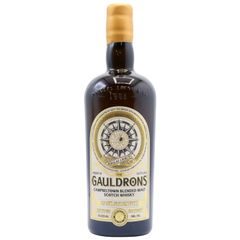
Campbeltown Scotch Whisky
Compare 74 prices from CA$63
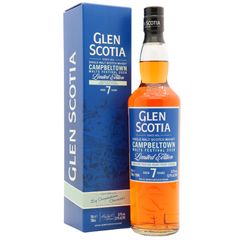
During much of the nineteenth century Campbeltown was one of the great centres of whisky production in Scotland. At its peak the town, located at the foot of the Kintyre peninsula, was home to more than 30 distilleries and supplied large quantities of whisky to Glasgow, the Lowlands, England and export markets beyond. That success didn't last. Changing tastes, overproduction, inconsistent quality and the economic upheavals of the early twentieth century brought a steep decline, and by the middle of the 1930s only Springbank and Glen Scotia remained in operation.
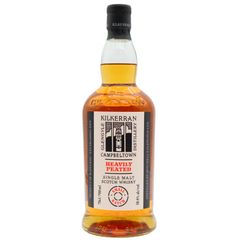
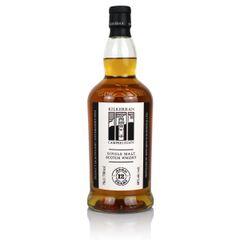
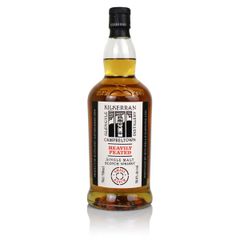
Today Campbeltown is still Scotland's smallest whisky region, but it remains one of its most distinctive. Three distilleries now operate there: Springbank, Glen Scotia and Glengyle, the last of them revived in the early twenty-first century and bottled under the name Kilkerran. Campbeltown malts are often associated with an oily, robust, slightly salty or maritime character, although the style varies noticeably from one distillery to another.
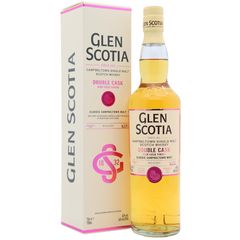
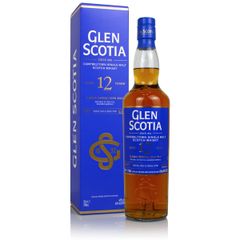
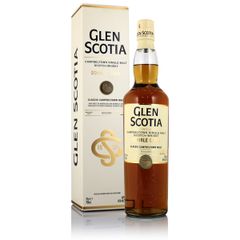
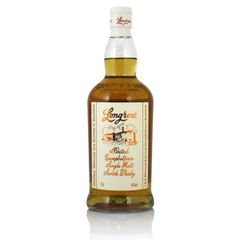
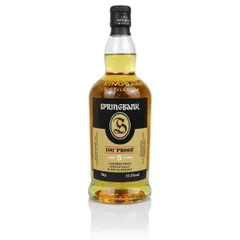
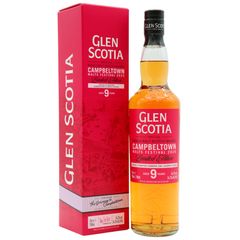
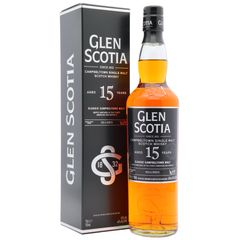
Springbank remains the region's flagship and one of the most respected traditional distilleries in Scotland. From the same site it produces three distinct malts: Springbank itself, distilled two and a half times; Hazleburn, which is unpeated and triple distilled; and Longrow, which is double distilled and peated. Glen Scotia, once more obscure than it is today, has in recent years become a much more visible part of the region's revival.
The reopening of Glengyle, under the ownership of J & A Mitchell of Springbank, helped secure Campbeltown's place as a recognized whisky region in the modern era. Bottled as Kilkerran, its whisky was warmly received from the start, and together the three distilleries have ensured that Campbeltown is no longer simply a ghost of whisky history but a small, stubbornly vital part of Scotland's contemporary whisky landscape.